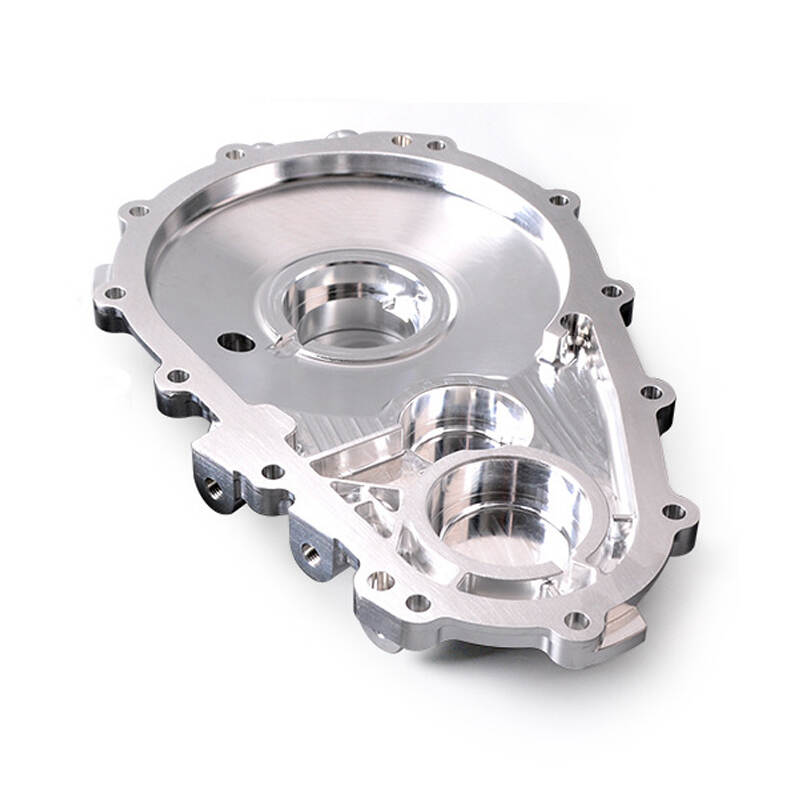

Complete Surface Finishing Capabilities

Our well-established processes effectively improve corrosion resistance, wear resistance and overall appearance. All treatments comply with strict international quality standards, ensuring reliable performance in demanding industrial applications.


Benefits of Surface Finishing

1
Improve corrosion resistance and prevent rust
2
Protect parts from harsh environmental conditions
3
Increase wear resistance and extend service life
4
Enhance appearance with uniform color and texture
5
Improve electrical conductivity or insulation


Regular Surface Finishing Options12

NameImageUsed MaterialsColor Discriptions

Anodizing

 qwe  

Painting


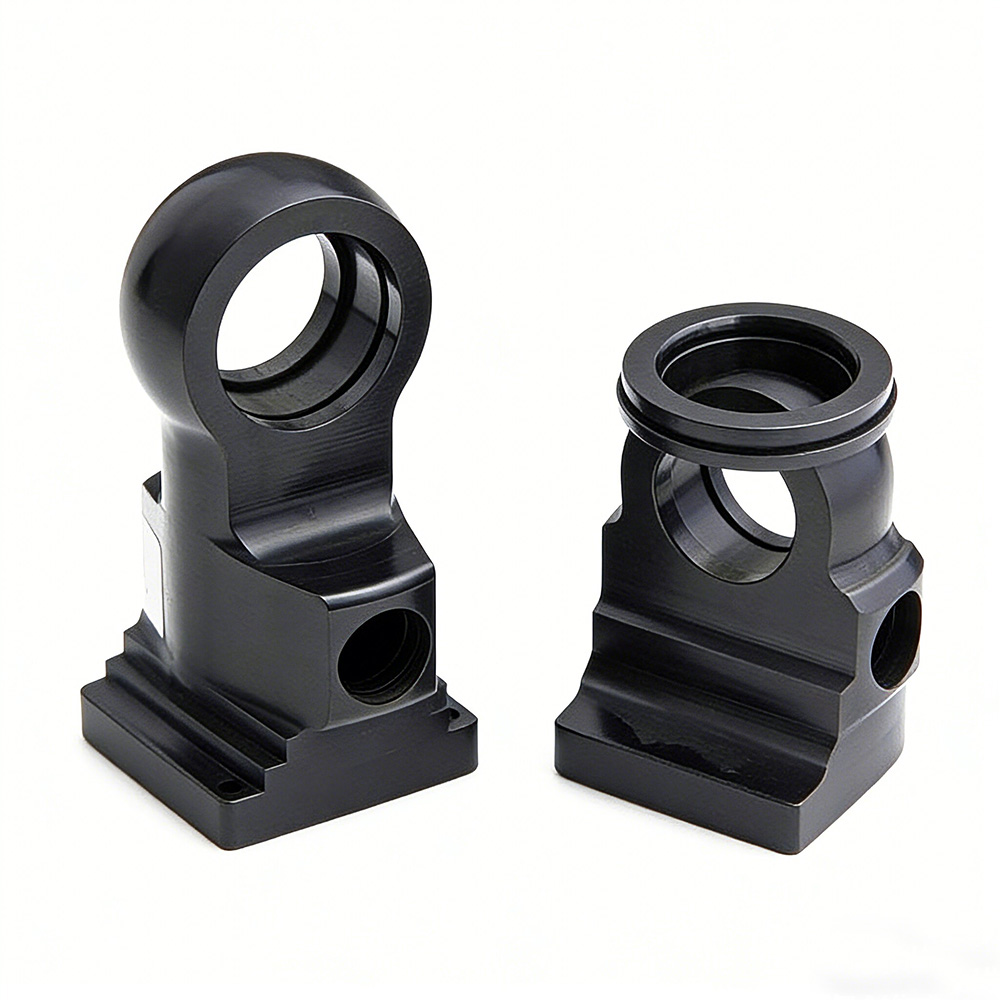
Black Oxide


Brushing


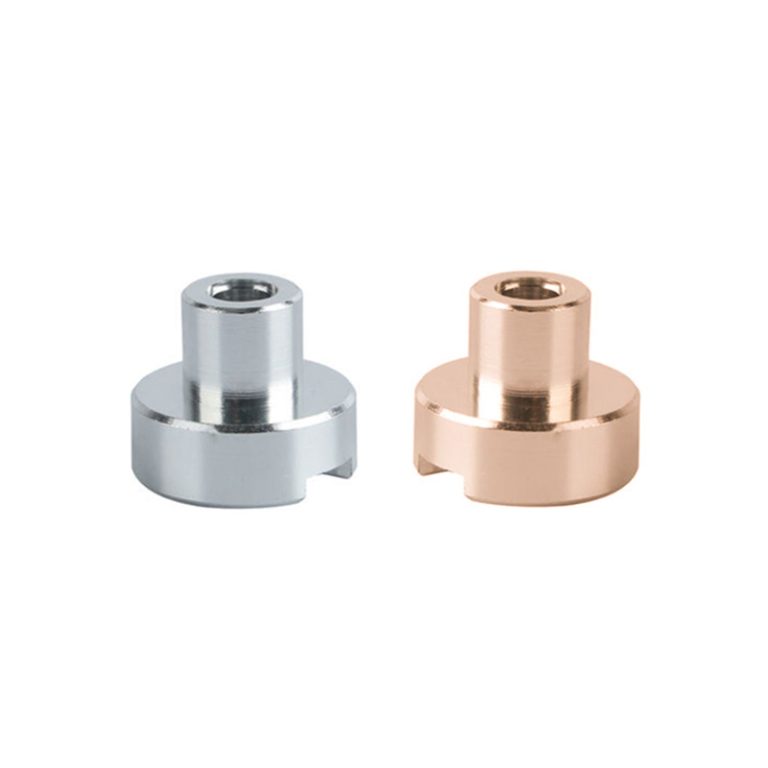
Chrome-Plating


Nickel Plating


Passivation 

12  

Powder Coating


Shotblasting


Full Production Support Team

We have a team of manufacturing experts working behind the scenes to fulfill your production order—we manage the entire process and keep you updated along the way.

Common surface treatments and precautions

CNC Milling

We deliver fast, precise CNC milling for prototypes, low-volume runs, and production parts. With advanced 3/4/5-axis capabilities, we hold tight tolerances and handle complex geometries with consistent quality. We work with all common metals and engineering plastics, quote in 4 hours and ship samples in 7 days. Flexible order quantities, competitive pricing, and reliable on-demand manufacturing to keep your projects on track.

CNC Milling

We deliver fast, precise CNC milling for prototypes, low-volume runs, and production parts. With advanced 3/4/5-axis capabilities, we hold tight tolerances and handle complex geometries with consistent quality. We work with all common metals and engineering plastics, quote in 4 hours and ship samples in 7 days. Flexible order quantities, competitive pricing, and reliable on-demand manufacturing to keep your projects on track.

Your Trusted Partner in Medical Product

Development

Speed, quality, and technical expertise are built into our entire process. Partnering with us helps ensure your design is optimized, your development timeline is accelerated, and that you’re supported from prototyping through end-use production.

Anodizing standard

Anodizing – Coating Thickness Grades

General Anodizing (GB/T 8013.1-2018)

AA5average thickness ≥ 5 μm
AA10average thickness ≥ 10 μm
AA15 average thickness ≥ 15 μm
AA20average thickness ≥ 20 μm
AA25average thickness ≥ 25 μm
AA30average thickness ≥ 30 μm 

Anodizing Application Scenarios

Consumer Electronics

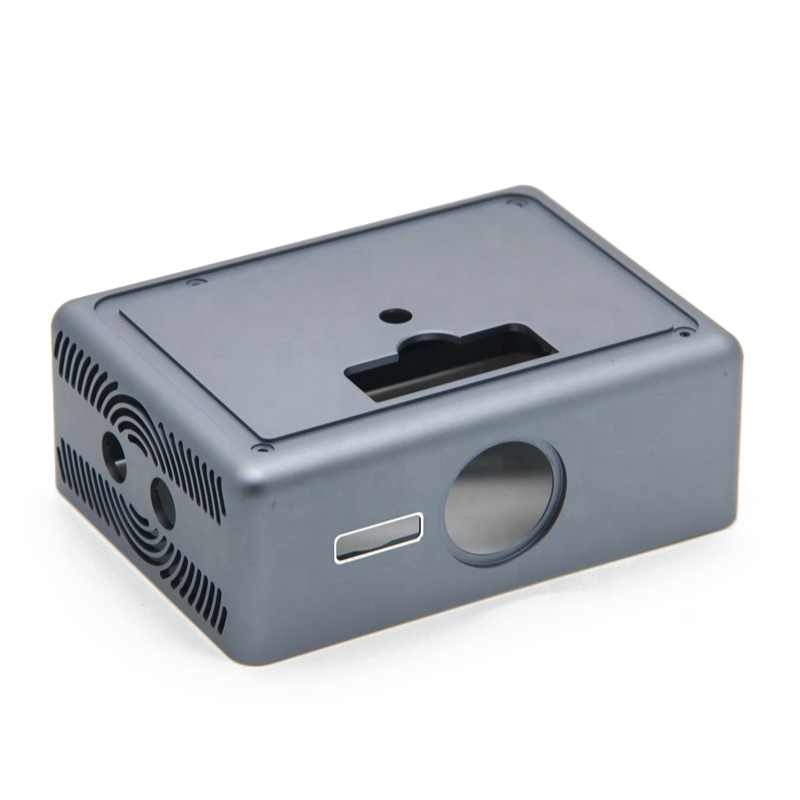
Smartphone cases, laptop casings; Tablet frames, power bank shells; Audio equipment housings etc.

Automotive & Transportation

Wheel hubs, decorative trims; Engine compartment parts, heat-dissipating components; Rail transit interior aluminum parts etc.
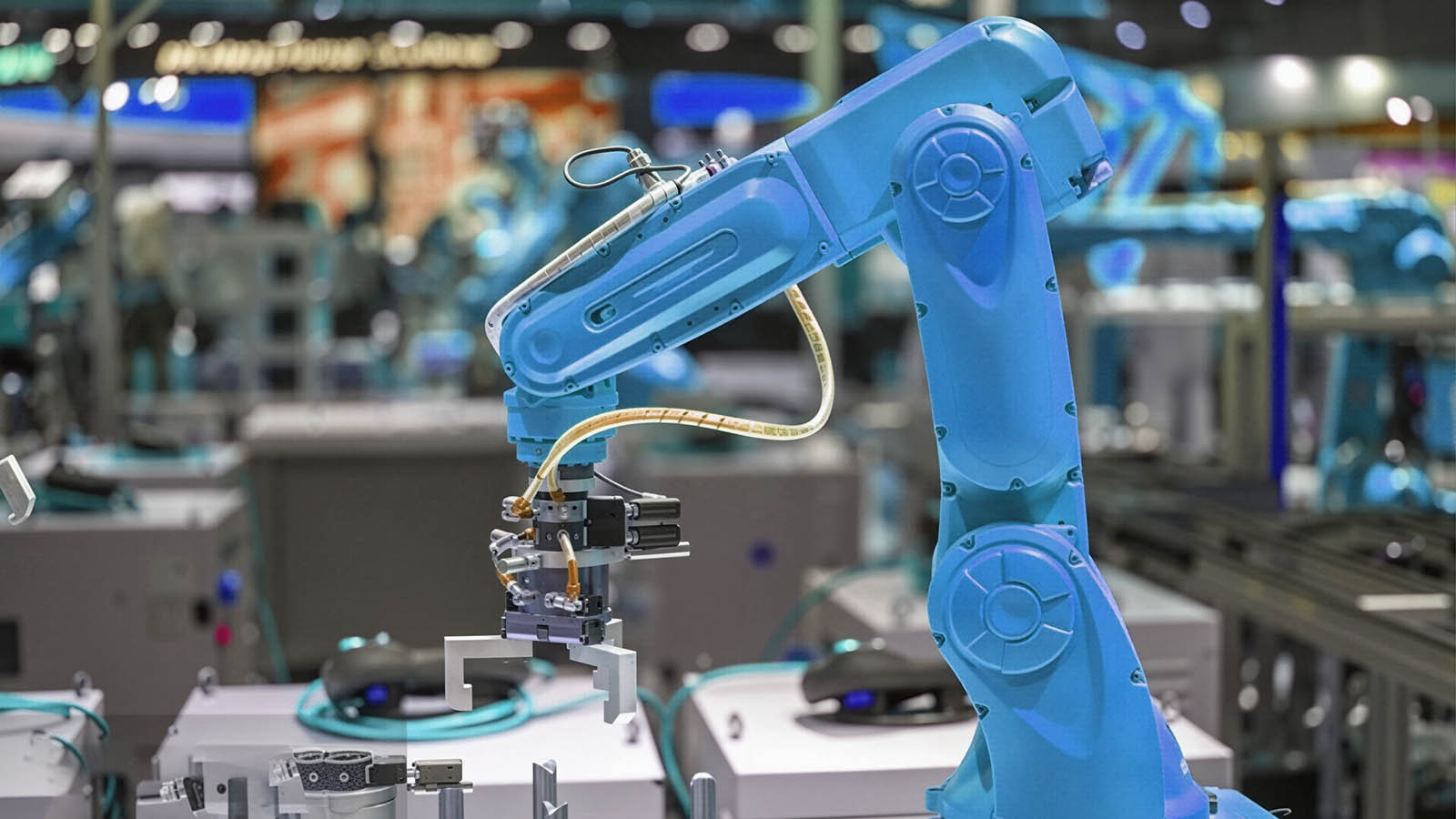
Mechanical & Industrial Parts

Cylinders, pistons, valves; Gears, shafts, fasteners; Hydraulic and pneumatic components etc.

Aerospace & Aviation

Aircraft structural parts, cabin components ; Engine peripheral parts etc.
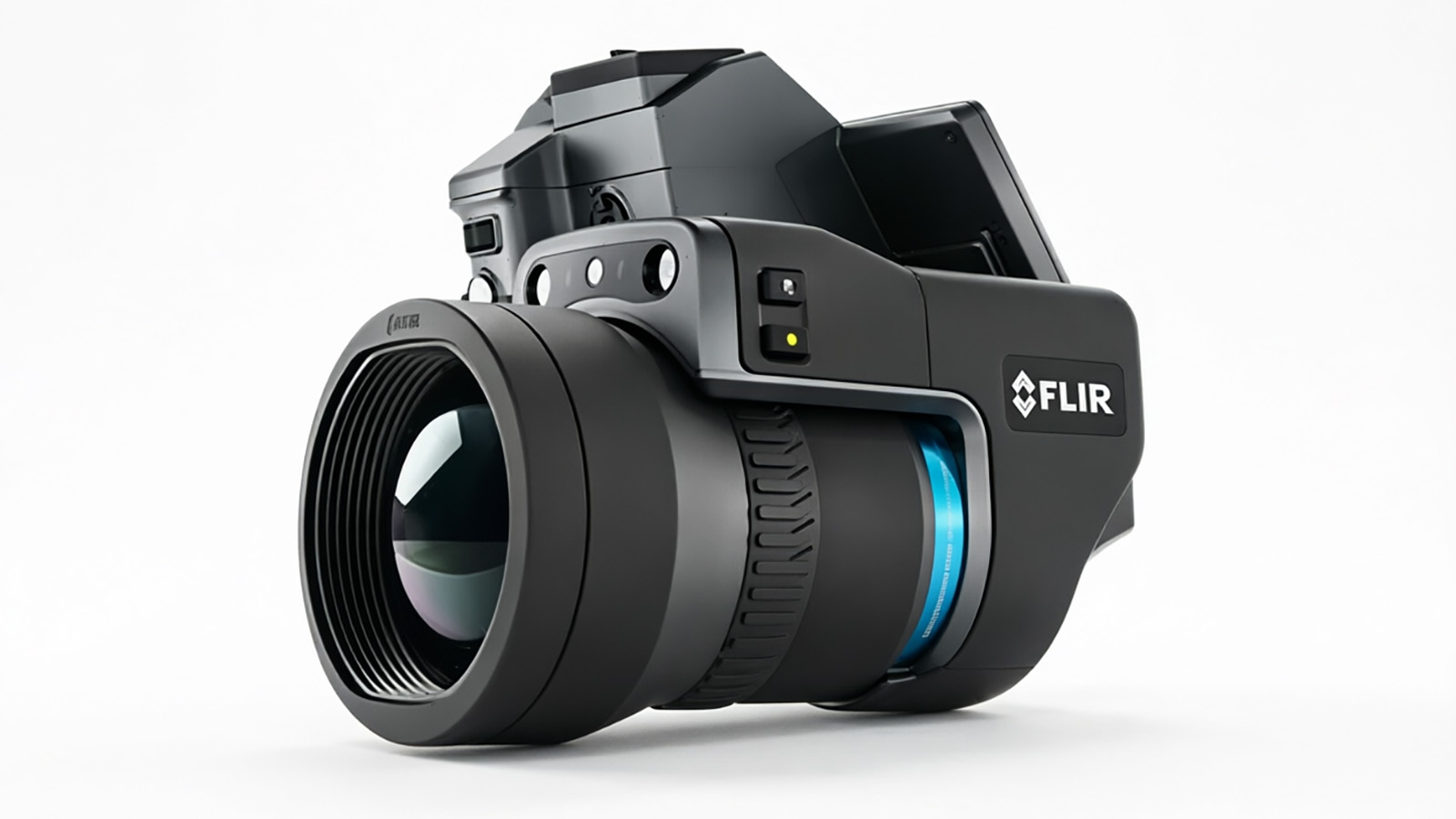
Photographic & Optical Equipment

Camera bodies, lens barrels; Tripods, brackets etc.
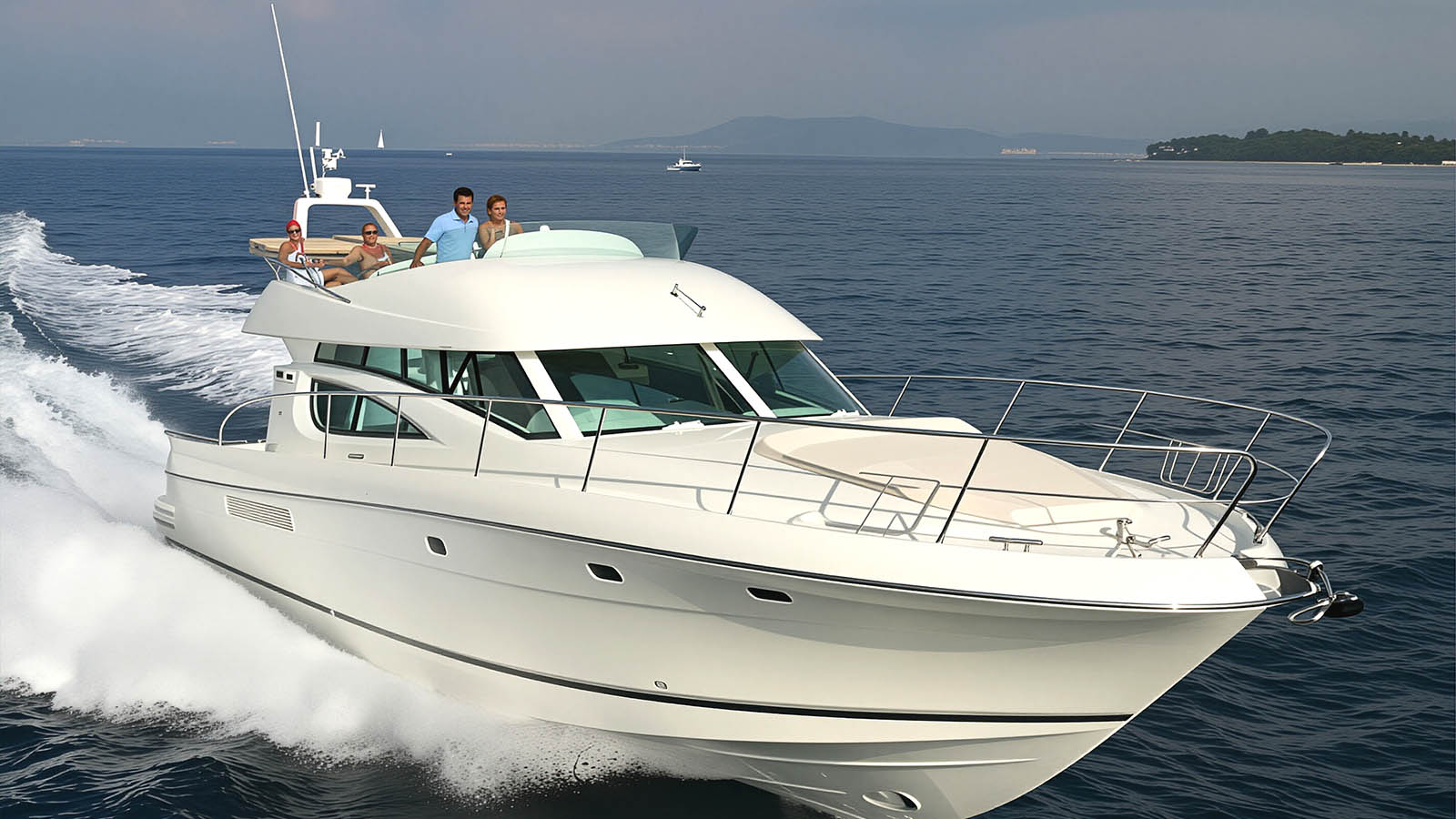
Marine & Coastal Environments

Ship interior aluminum parts; Coastal facilities, offshore equipment
Common Medical Applications

We have several capabilities within our manufacturing services catered to the medical industry. Here are a few applications we frequently see.

Hard Anodizing (GB/T 19822-2024)

Standard range: 25 – 150 μm

Common range:

 25 – 50 μm:  Generally wear-resistant and corrosion-resistant
 50 – 80 μm: Highly wear-resistant and strong corrosion-resistant
 80 – 150 μm: Super wear-resistant, repairable, and for heavy loads

Hardness (three levels):

                                            ≥300HV

                                            ≥400HV

                                            ≥500HV 


Get an online quote and injection molding design analysis today.